Why Student-Centered Learning?
Teachers Matter
At Mpower Learning, we put teachers at the heart of everything we do – equipping them with tools, strategies, and training that allow them to place students at the center of learning. When teachers create classrooms that are engaging, hands-on, and connected to the real world, they help young people build the skills to set goals, make informed decisions, and chart their own paths to mastery. This approach deepens understanding, sharpens critical thinking, and nurtures agency, creativity, and resilience – qualities essential for thriving in a rapidly changing world. Along the way, it also strengthens teacher-student relationships and, yes, drives stronger academic outcomes.
Why AI?
We believe in harnessing the power of AI to support deeper discovery, personalized learning, and stronger student agency – all in service of greater human connection. While it may seem counterintuitive, using AI for what it does best actually highlights the irreplaceable value of what teachers and students do together. By helping educators gain efficiencies, surface insights, and explore new approaches, AI becomes a partner in the profoundly human work of guiding students on their learning journey.
Why now?
Transformative tools in education have often been initially resisted. Chalkboards, ballpoint pens, calculators, and even the Internet all faced skepticism before becoming classroom essentials. Today, AI represents a shift far greater than any of those innovations – closer to the discovery of fire than to the industrial revolution – in its potential to reshape human progress.
With information instantly available at every student’s fingertips, the real challenge of education is no longer content mastery, but mastery of learning itself – how to access information ethically, critically evaluate its accuracy and merits, and then apply it toward deeper learning and novel contexts.
Because AI is already redefining the nature of work, creative expression, and everyday decision-making at an unprecedented pace, educators cannot afford to wait. What employers and communities seek from graduates goes beyond technical know-how: they want critical thinkers, effective collaborators, clear communicators, and adaptable leaders. Those human capacities must now be at the center of what schools cultivate, as lifelong skills.
How we do it?
At our core, Mpower Learning is an Innovation Lab – a place where ideas are incubated, tested with real educators, and refined through authentic feedback. Technology is part of the story, but so is the craft of teaching: we help teachers design and facilitate student-centered learning experiences that take place both online and offline.
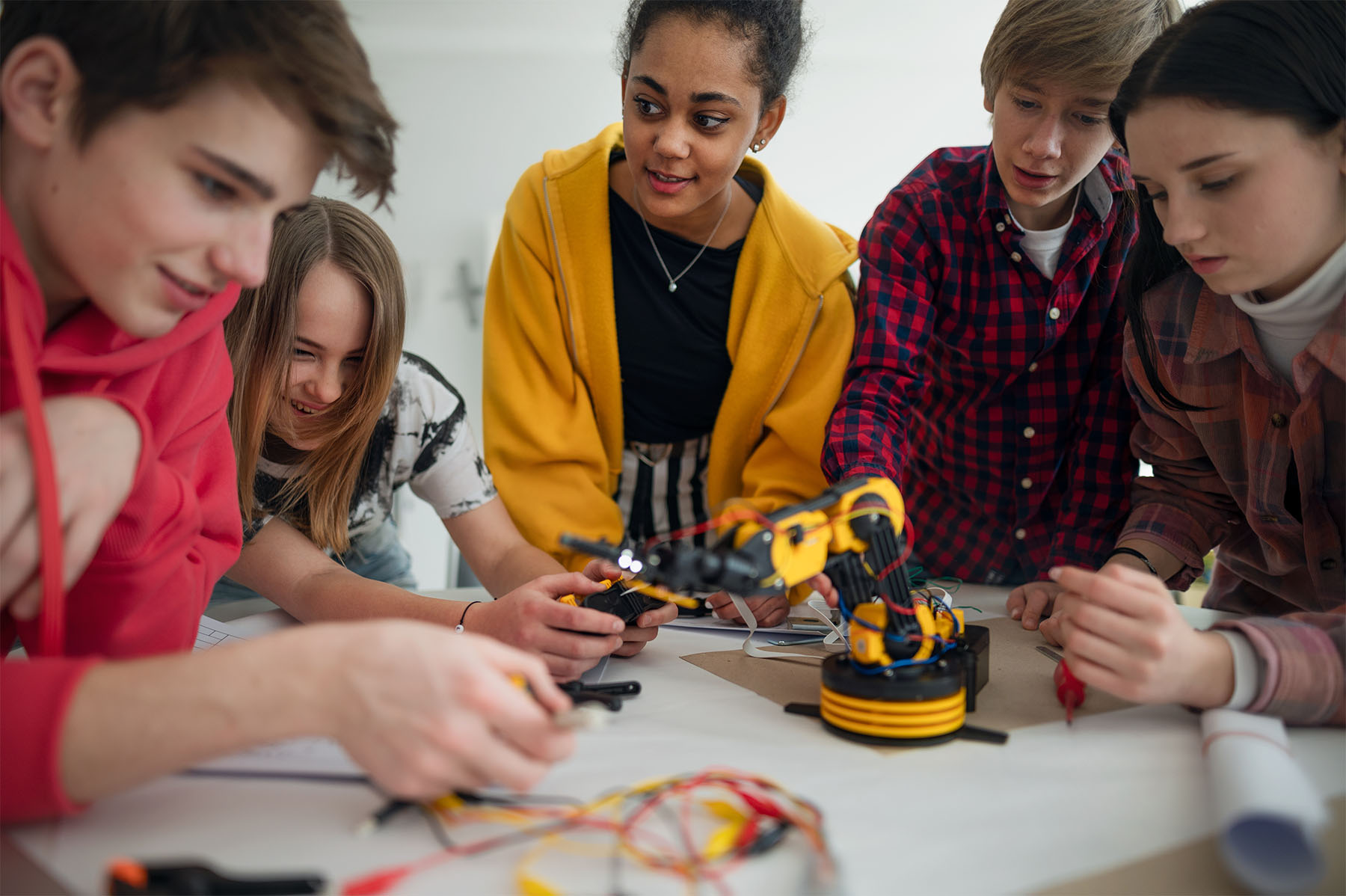
Our approach is rooted in constructionism: the belief that the deepest learning comes when students wrestle with ideas not only in their minds, but also with their own hands – creating, collaborating, and applying solutions in real contexts. Whether they demonstrate their understanding through a science experiment, a podcast, a business plan, or a live debate, we champion authentic assessments that show what students truly know and can do.
We empower teachers to help students take ownership of their learning, reigniting their intrinsic motivation. The result? Classrooms alive with curiosity, engagement, and purpose – where students mentor one another, reflect on progress, and grow into confident thinkers, collaborators, and leaders, prepared for the future.
Stuart Drexler, Founder
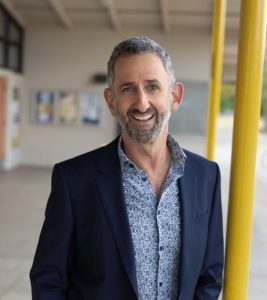
Stuart Drexler is an educational technologist and product leader dedicated to advancing student-centered learning at the intersection of AI and K–12 education. He has led teams to design and scale constructivist learning experiences for millions of students in collaboration with organizations including LEGO MindStorms, Scholastic, Disney, and Sesame Workshop.
Through Mpower Learning, Stuart convenes a network of practitioners to develop applications, curricula, and programs that empower teachers and students alike. His work is grounded in academic inquiry as well as practice—he studied under Seymour Papert and Mitch Resnick at the MIT Media Lab and earned an Ed.M. in Technology, Innovation, and Education from Harvard.